
BRICS Summit: Leaders Seek Peace as Middle East Tensions Rise
Leaders of the 11-member BRICS group, including China, Russia, Iran and India, have called for calm and restraint in the Middle East as the conflict continues to raise concerns over regional stability, trade and energy security.
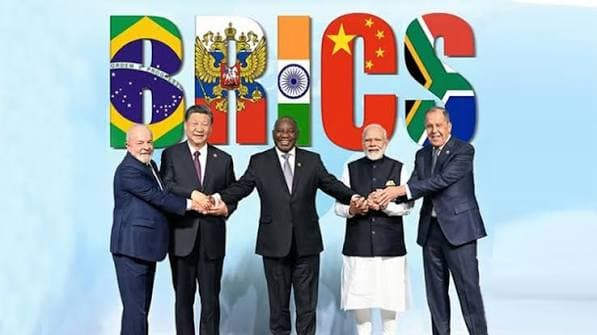
NEW DELHI: The appeal came during the BRICS summit in New Delhi on Saturday, where leaders managed to overcome differences within the bloc and agree on a joint statement regarding the escalating crisis.
Chinese President Xi Jinping, who attended the summit alongside Russian President Vladimir Putin, Iranian President Masoud Pezeshkian and Indian Prime Minister Narendra Modi, said the ongoing war in the Middle East did not serve the interests of the international community.
“We express deep concern over the continued escalation of tensions in Middle East/West Asia,” the joint statement said. It urged member states to exercise maximum restraint and avoid actions that could further worsen the situation.
The agreement followed intense diplomatic efforts by India, which hosted the two-day summit. BRICS foreign ministers had failed to reach a consensus on a joint statement during their meeting in New Delhi in May, highlighting the divisions among members over the conflict.
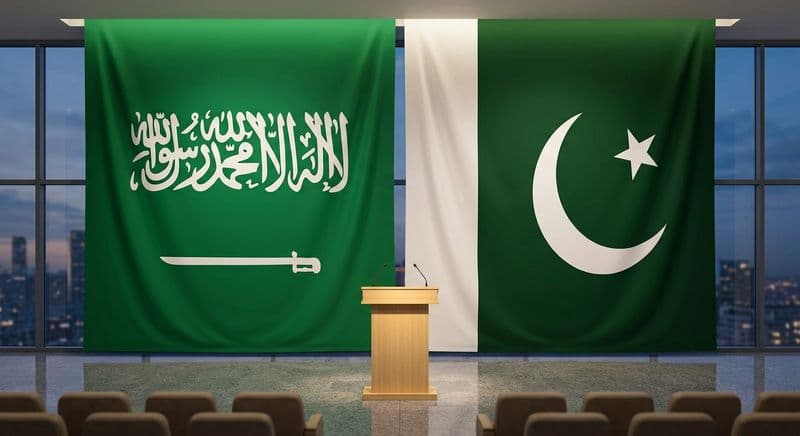
The bloc includes countries such as Iran, Saudi Arabia and the United Arab Emirates, which hold differing positions on the war that began with US-Israeli strikes on February 28.
India’s diplomatic balancing act
Prime Minister Narendra Modi, while welcoming the leaders, called for BRICS to move beyond differences and become a stronger platform for cooperation.
“We have to transform this pyramid of privilege into a platform of partnership,” Modi said.
He noted that BRICS countries account for around half of the world’s population, approximately 40 per cent of global GDP and more than a quarter of global trade.
However, the growing diversity of the bloc has made consensus on major geopolitical issues increasingly difficult. India maintains relations with Iran while also having close ties with the United States and Israel, requiring New Delhi to carefully balance its diplomatic interests.
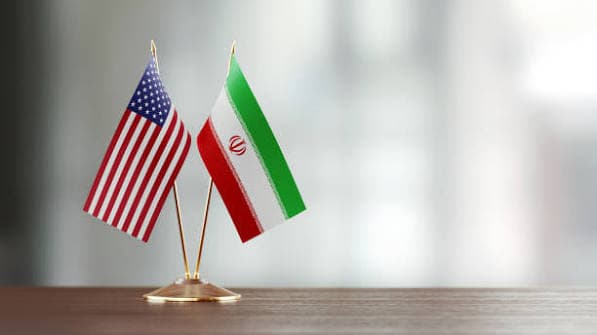
Iranian President Masoud Pezeshkian attended the summit after criticising the idea of the United States acting as a regional “policeman”. The ongoing conflict has also raised concerns over the security of the strategically important Strait of Hormuz.
On the sidelines of the summit, Pezeshkian met Abu Dhabi Crown Prince Khaled bin Mohamed bin Zayed Al Nahyan.
India has also turned to Russia to help address energy-related challenges linked to the conflict, despite pressure from Washington and other Western countries over Moscow’s war in Ukraine.
Xi and Modi discuss China-India relations
President Xi Jinping’s visit to India marked his first trip to the country since 2019 and represented a significant step in the cautious improvement of relations between the two Asian powers.
Xi received a ceremonial welcome in New Delhi, including an honour guard and traditional performances. During his meeting with Modi, he said China and India could benefit from each other’s strengths despite their differences.
The two countries have been working to improve ties following a deadly military confrontation along their disputed Himalayan border six years ago. Flights, visas and high-level diplomatic contacts have gradually resumed.