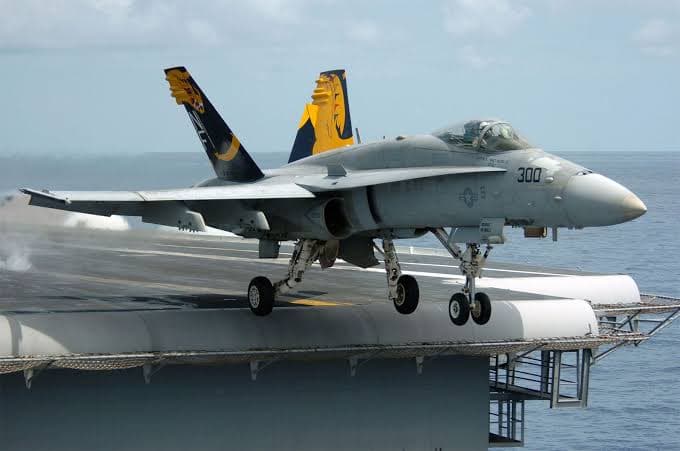

Six months into war, Iran shows no signs of backing down
US intelligence agencies believe that six months of war may have increased Iran’s confidence in its ability to withstand American pressure and continue fighting.
WASHINGTON: A New York Times report published on Friday said Iran has become more confident in its ability to attack targets across the Middle East and appears determined to continue the conflict for months in an effort to frustrate the United States.
The assessment comes as clashes resumed this week.
The latest exchanges have been limited so far, but intelligence reports suggest that Iran’s hardline government may be considering a major escalation, according to people familiar with the assessments.
The intelligence reports also suggest that reaching an agreement to end the war could be difficult. Current and former US officials told the New York Times that there are few signs that Tehran is ready to negotiate with Washington.
Mid-term elections
Some US officials believe Iran may try to keep the conflict going until at least the US mid-term elections in November. Tehran may calculate that continued fighting and high energy prices could create political problems for President Trump and the Republican Party.
The report said Donald Trump is not currently seeking negotiations because he believes economic pressure could force Tehran to make concessions over its control of the Strait of Hormuz and eventually its nuclear programme.
However, officials familiar with the intelligence warned that increasing sanctions could instead lead to further escalation.
Missile and drone capabilities
Iran’s military strategy appears to be influenced by its growing missile and drone capabilities and its ability to use the Strait of Hormuz as a source of pressure. Before the war, the strait carried about one-fifth of the world’s oil.
Representative Jason Crow, a Colorado Democrat and member of the House Intelligence Committee, said Iran’s leadership appeared increasingly confident.
“Iranians are feeling pretty bullish about their position,” he said.
At the same time, he acknowledged that Iran had suffered significant damage during the conflict.
Other officials who were briefed on the intelligence said Iran may also believe that the United States could face limits on launching major new attacks as its ammunition supplies decrease.
Representative Josh Gottheimer, a New Jersey Democrat and member of the Intelligence Committee, said the Iranians believed they had “maximum leverage”.
He said that, from Tehran’s point of view, continuing to put pressure on the Trump administration could work in its favour.
Cyber attacks add another front
The conflict has also expanded into cyberspace.
According to the New York Times, US officials believe Iran-linked hackers were probably behind attacks on more than 100 American water systems in late July.
The attacks did not appear to make drinking water unsafe, although some systems were disrupted and required manual controls. In some cases, precautionary boil-water advisories were issued.